
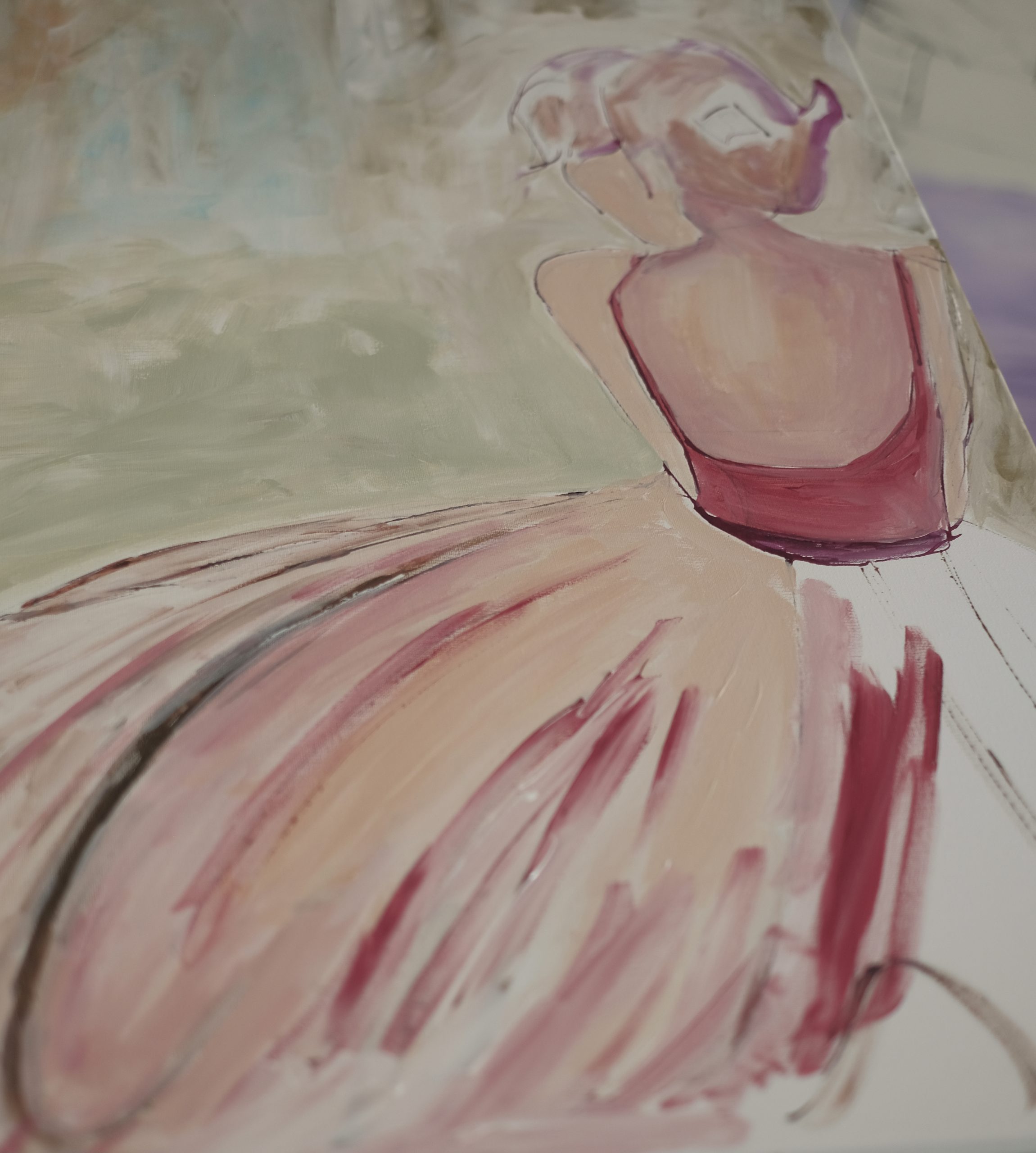
Exposition is telling and plot is showing. And we are told to show. Not tell.
Elements of Style advises us to be specific, reveal definite and concrete details. Do it in an active voice (to maintain momentum), and SHOW. Don’t tell me the ballerina is drunk, rather take me on a tour of all my senses and tickle each one. Let me see her falter and fall as she attempts a pas de bourrée en tournant, let me smell the gin on her, hear the tremor in her voice, etc… Show me details that matter and make the writing come alive.
Well…
There is this book by Gabriel Garcia Marquez, called One Hundred Years of Solitude. It has no dramatized scenes, not really, and no plot, not in the traditional sense. More importantly there is no showing, only telling, seven generations worth of it, and when the village disappears into thin air in the last scene, you don’t care that Gabriel Garcia Marquez ignored the advise of “Show, Don’t Tell!,” because he just TOLD you one of the greatest stories ever written. 
Marquez takes your hand and tells the story. His trick is that he does it with confidence and grace. He begins like this: Many years later as he faced the firing squad, Colonel Aureliano Buendía was to remember that distant afternoon when his father took him to discover ice.
This is a confident voice, one that tells you, here, come, let me “tell” you a story. And you listen.
—WiP: Acrylic and Ink on Canvas. A painting “tells” different people different things—as it “shows” the same thing.